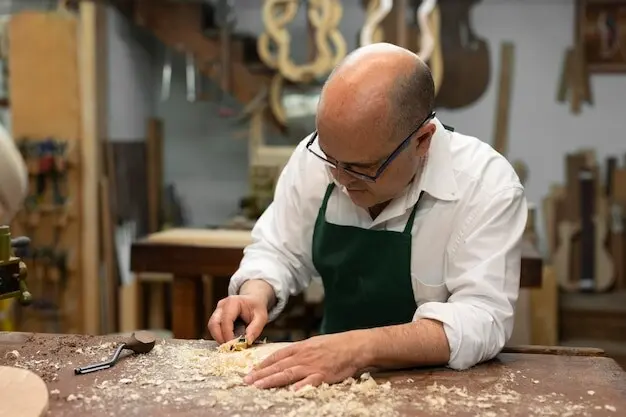
Handmade Trails: Crafting the Alps with Care
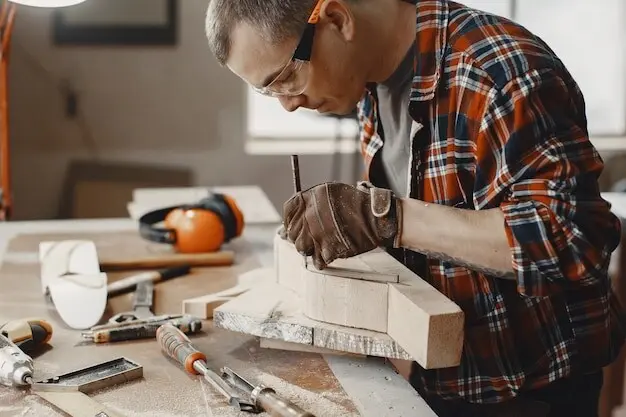
Today we explore “From Forest to Workshop: Sustainable Alpine Woodcraft for Travelers,” inviting you to follow a humble, respectful journey from living mountain forests to hand-shaped objects that carry place and memory. Learn how to choose responsibly sourced wood, connect with local makers, travel lightly, and craft meaningful keepsakes without burdening the landscapes you came to admire. Share your questions, tell us your stories from the trail, and subscribe to join fellow wanderers shaping more mindful adventures.

Reading the Mountain Forest

Before knives, benches, or patterns come into play, understanding the living character of Alpine woods matters most. Spruce, larch, silver fir, and Swiss stone pine each tell a distinct story shaped by altitude, wind, snowload, and patient time. Learning to read bark textures, crown shapes, and understory communities cultivates reverence and informs responsible choices. Let local rangers and foresters be your guides, and let curiosity pace your steps like a steady heartbeat.

From Log to Legacy: Low-Impact Methods

Across narrow valleys, selective logging, horse skidding, and lightweight cable systems move timber with less soil damage and quieter footprints. Portable mills open grain where it fell, and careful stacking invites mountain wind to dry boards at an honest pace. Understanding these methods shapes your expectations, timelines, and respect for the labor hidden in every plank. Good craft begins long before a blade touches wood, in choices that keep slopes stable.

Traveler’s Toolkit: Light, Safe, and Capable
The One Knife That Does Most
A comfortable handle, predictable bevels, and easy field maintenance matter more than exotic steels. A modest fixed blade sheathes safely, balances well, and welcomes consistent strokes on a pocket stone. Practice chest-lever and pull cuts with respect, always carving away from your thighs. When a knife feels like an extension of your attention, designs grow cleaner, scraps shrink, and travel days end with quiet pride.

Packable Saws and Calm Hands

Folding saws glide through green branches and dry billets, provided your stance is stable and your line uncluttered. Brace elbows, breathe evenly, and let the teeth work without force. Protect bark on living trees by never cutting them, and anchor work on a sacrificial pad. A minute saved by rushing is lost to splinters or slips; patience preserves fingers and the dignity of your alpine campsite.

Sharpening as Evening Ritual

A small double-grit stone and a palm-sized strop turn twilight into quiet maintenance. Count strokes, keep angles honest, and finish with a few featherlight passes that polish intent as much as steel. Wipe blades with a whisper of oil, label edges’ condition, and tuck everything away thoughtfully. Tomorrow’s cuts begin tonight, and the discipline of sharpness echoes the mountain’s clear, thinning air.

Designing Objects That Carry Place

Let alpine lines inform your forms: avalanche paths suggest flowing handles, terraced pastures inspire rhythm, and edelweiss petals become patterns that guide your knife. Choose joinery that survives a backpack—wedges, pegs, and tight shoulders—while finishes like linseed-beeswax or walnut oil stay food-safe and breathable. Make small, useful pieces that invite daily contact, so each sip or stir returns you to crisp air and bell-echoed valleys.

Workshops and Villages Worth the Detour

Across Tyrol, Valais, and the Dolomites, community ateliers welcome visitors who respect benches, schedules, and tea breaks. Many sit near train lines, so you can arrive with clean boots and big ears. Book ahead, ask before photographing, and offer to sweep at day’s end. You will leave with shavings in your cuffs, names in your notebook, and a pocket of wood that smells like tomorrow’s ideas.

01

Finding Open Benches

Look for municipal makerspaces, mountain craft cooperatives, and museum workshops that run seasonal programs. Tourist offices often know who has a spare vise or rents time by the hour. A simple email in clear language, including your tools and intentions, opens doors. Describe your safety habits, offer a small fee, and be ready to adapt. Benches appear where respect arrives first.

02

Etiquette That Earns Invitations

Arrive on time, bring pastries, and introduce yourself to the cat who guards the shavings pile. Ask how the bench is usually kept, confirm scrap bins, and never touch a tool without permission. Compliment craftsmanship specifically—grain match, wedge fit, surface tone—and clean twice as thoroughly as expected. Small courtesies grow into long conversations, and generous makers become mentors who change how you hold a chisel forever.

03

Travel by Rail and Ropeway

Plan routes with regional lines like ÖBB and RhB to stitch valleys together efficiently, then ascend on ropeways that replace hours of switchbacks. A light rucksack, wrapped tools, and clear labeling breeze through controls. Between rides, visit tiny mills, chapels, and markets where offcuts and wisdom show up together. The journey itself becomes a studio, its timetables shaping your patience and designs.

Stories From the Bench
A grandmother in Val Gardena once pressed a butter stamp into my palm, explaining how her father carved it from larch felled after a hard storm. That stamp outlived kitchens and winters. Stories like these braid skill with memory, reminding us that craft is less about possessions and more about continuity. Share your own, because the next traveler might be waiting for your chapter to begin.

Storm Salvage, Spoon of Gratitude

After Storm Vaia toppled swaths of forest, an Italian carver salvaged humble billets, turning grief into generous curves. He sold spoons at markets and gave a portion to replanting efforts. Each bowl held a story of wind, resilience, and community. Using such a spoon months later, you taste soup and remember that making can also be mending, and that hands can translate sorrow into service.

A Pine Crossing Borders

A Swiss stone pine slab traveled from Engadin to a tiny studio in Innsbruck, then onward as a gift to a friend in Bled. Along the way, makers left pencil notes beneath—dates, moisture readings, and thanks. The finished tray hosts tea shared between languages. Wood migrates like travelers do, gathering stamps of care rather than customs ink, quietly modeling how generosity turns routes into relationships.

Packing Out and Giving Back

Leave alpine spaces clearer than you entered by staying on durable surfaces, protecting living bark, and scattering rinse water far from streams. Offset travel by funding seedling nurseries, joining trail maintenance days, or donating a percentage of sales to local reforestation. Teach what you learn, credit your mentors, and invite feedback on your process. Community grows when travelers become caretakers, stitching stewardship into every shavings pile and shared bench.
Veltofexovaroxaripexisiramexo
Privacy Overview

This website uses cookies so that we can provide you with the best user experience possible. Cookie information is stored in your browser and performs functions such as recognising you when you return to our website and helping our team to understand which sections of the website you find most interesting and useful.